

Not sure what you want as a vet or vet nurse?
Maybe you love animals but you're not sure you love this any more. Maybe you're wondering about dropping a day, changing roles or leaving clinical practice altogether. Whatever you decide, it isn't a failure, and you don't have to work it out alone.
Should I stay or should I go?
When we're exhausted, our brains shrink a huge decision down to one frightening question. Some of our members found a way to make vetmed work for them. Others left with their whole chest, from an empowered place. Both started by asking better questions.
Read: the questions beneath the questionQuestions worth asking
Sometimes what we're desperate to leave isn't veterinary medicine at all. It's a rota, a culture or a level of exhaustion. Try writing two lists: what drains you, and where each thing comes from. You might find more of it can change than it feels like right now.
When your work and your values pull in opposite directions, everything feels harder. Think of a day at work that felt good. What was there? Connection, learning, autonomy, making a difference? That's a clue.
Fewer hours, a different caseload, more support, the conversation you've been putting off. Small changes can shift more than you'd expect. And if you've tried and you're done, that's important information too.
If your honest answer right now is 'none', please hear this: that isn't a failing, and it doesn't mean joy has gone for good. When you're exhausted, your nervous system scans for threat, not delight. Start smaller: a patient who made you smile, a colleague you like, a coffee you actually drank hot. And if it's been a long time since anything felt good, that's a sign to reach out for support, whether that's us, your GP or Vetlife on 0303 040 2551.
Big decisions are harder alone. Who could you talk to honestly, who doesn't need you to stay or go? If nobody comes to mind, that's exactly what our community is for.
We're so used to noticing what went wrong that we rarely notice what we're good at. Think about what people come to you for, when time flies at work, and what you'd happily do even on a tired day. Your strengths and what you enjoy are some of the best clues to what's next, whether that's in practice or beyond it. When you've got a few answers, try 'What lights you up?' in So many doors below.
So many doors
Non-clinical and alternative careers for vets and vet nurses, plus all the ways to make practice work differently. Every one of these is a real path people in our profession have taken.
Still in practice, just different
Part-time or a shorter week
Same job, more life around it.
Vets and vet nursesLocum work
Choose when and where you work.
Vets and vet nursesA different kind of practice
Charity, shelter, farm, equine, exotics or out-of-hours. A new setting can feel like a new career.
Vets and vet nursesFurther qualifications
Certificates, advanced practice and digging deeper into what fascinates you.
Vets and vet nursesNurse clinics
Weight, dental, senior pet and post-op clinics that make the most of your skills.
Vet nursesClinical coaching and mentoring
Supporting students and new graduates through their first years.
Vets and vet nursesLeadership and practice management
Shaping the team culture you wish you'd had.
Vets and vet nurses
Beyond the consult room
Industry
Technical, advisory and sales roles in pharma, pet food and diagnostics.
Vets and vet nursesResearch
Universities, institutes and industry labs.
Vets and vet nursesTeaching and academia
Universities, vet nursing colleges and CPD providers.
Vets and vet nursesGovernment and public health
Disease surveillance, animal health and keeping outbreaks in check.
VetsFood safety
Official veterinarian roles protecting animal welfare and the food chain.
VetsCharities and policy
Campaigning, education and shaping animal welfare policy.
Vets and vet nursesWildlife, zoo and conservation
Competitive, but real, and often reached through further training.
Vets and vet nursesTelemedicine and triage
Advising remotely, often with flexible hours.
Vets and vet nursesInsurance
Claims and advisory roles where clinical knowledge is gold.
Vets and vet nurses
Using your skills in a whole new way
Behaviour and rehabilitation
Behaviour, physiotherapy and hydrotherapy, usually with further training.
Vets and vet nursesWriting, media and communications
Content, journalism, books and podcasts.
Vets and vet nursesTech and start-ups
Practice software, new tools and ideas that need clinical brains.
Vets and vet nursesCoaching and wellbeing
Helping colleagues thrive. (We might be a little biased.)
Vets and vet nursesConsultancy and training
Sharing what you know with practices and teams.
Vets and vet nursesYour own business
From your own practice to something completely different.
Vets and vet nurses
This isn't a complete list, and some paths need further training. If one catches your eye, talking to someone already doing it is a brilliant next step.
Staying can be the brave choice too
For every person who leaves practice, there are others who find a way for it to fit. Time and time again, we see people fall back in love with clinical work once they change the part that wasn't working: the hours, the caseload, the team, or the way their week is shaped. Before you change everything, it's worth asking what could change where you are. And if you do decide to go, that's never a failure either.
Work it out with us: 1:1 coaching or the Signature Programme, with our Veterinary Career Creator Workbook
How coaching helps at a crossroads
Big career decisions are hard to make in your own head, especially when you're tired. Coaching gives you space to think clearly, with someone on your side who doesn't need you to stay or go.
A thinking partner
Someone to think out loud with, who asks the questions you wouldn't ask yourself.
Clarity on your strengths and values
Get clear on what you're good at and what really matters, so your next step fits you.
Untangling the job from the place
Work out whether it's vetmed, the role, the team or the pace, before you change everything.
Small, safe experiments
Try things out, from a conversation to a day's shadowing, without leaping into the unknown.
Accountability
Gentle follow-through, so the ideas don't stay in a notebook.
Confidence for the big conversations
From asking for different hours to handing in your notice, or deciding to stay.
Coaching won't tell you what to do. It helps you work out what you want, and trust yourself to do it.
The Signature Programme includes our Veterinary Career Creator Workbook. Or have a chat with us first.
Could your employer fund it? Ask your employer
Start reading
We've written a lot about this, because it comes up again and again. Here you'll find our honest takes on feeling stuck, falling out of love with the job, burnout, part-time work and working out what's next. There are so many things you can do with a veterinary degree or qualification, and some of our members have gone on to do them brilliantly. But time and time again, we see people find a different way for practice to work for them.
Should I Stay or Should I Go? The Questions Beneath the Question

Feeling undervalued as a vet nurse: what you can change, and what isn't on you

How to work out your values (and why it makes career decisions easier)

Are You Searching for Vet Jobs Online? Don't Miss These 3 Key Things

"I hate being a vet" - you need to read this

Therapy vs Coaching for Veterinary Professionals: When You're Not Sure Which Way to Turn

Part Time Vet Work: You're Not a Failure If You Drop a Day at Work - You're a Badass!

Help! I'm a Vet and I Have No Idea What I Want in Life

Help! I Think I Want to Leave Clinical Veterinary Practice 😱

Why do I need a coach? 10 Surprising benefits to coaching for veterinary professionals

Finding Balance and Fulfillment: Personal Development for Veterinary Professionals
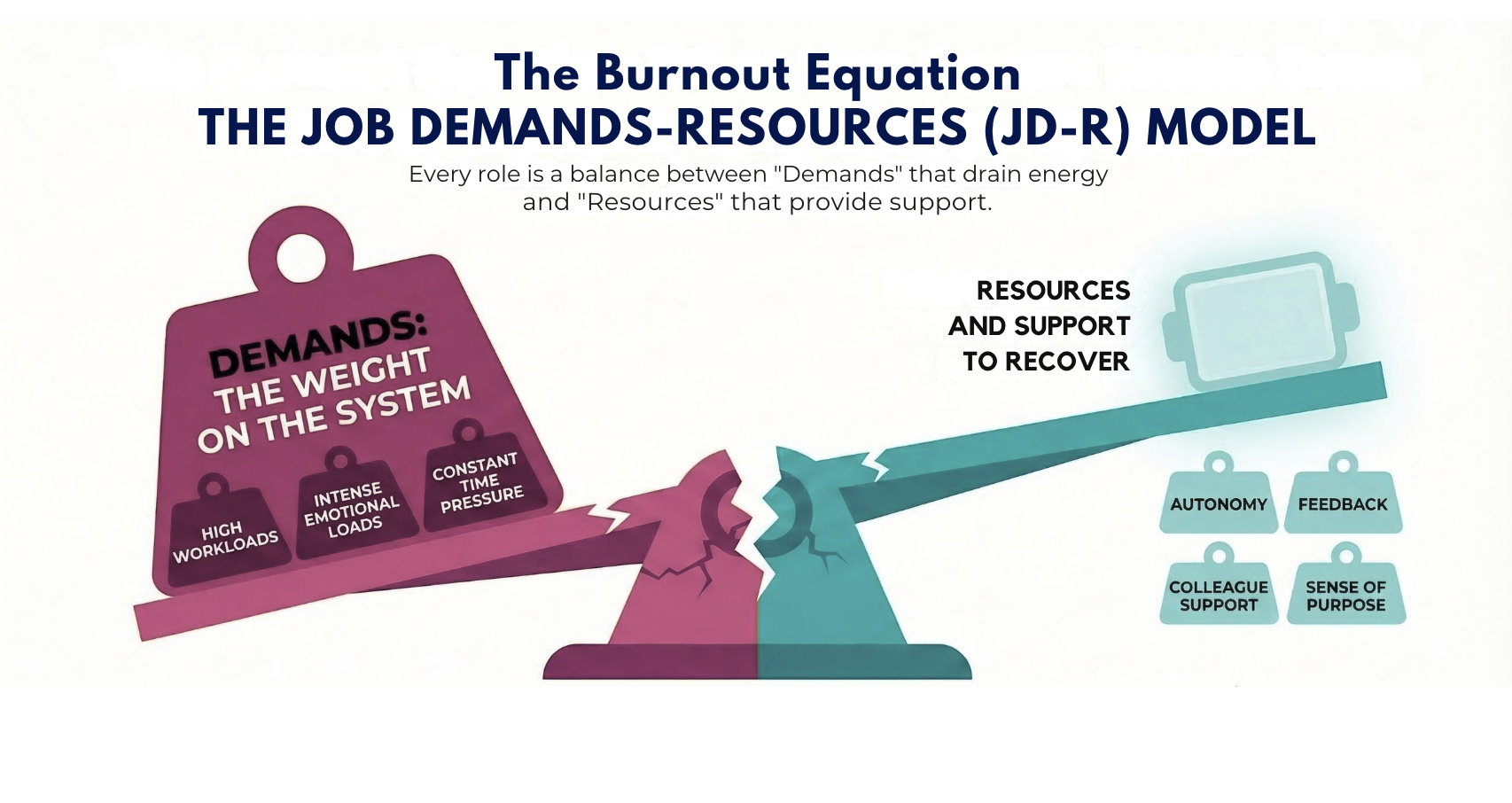
Job Crafting: The Veterinary Burnout Conversation Nobody's Having
Talk it through
1:1 coaching
Space to work out what you want next, with vets who've made big decisions themselves.
Explore 1:1 coachingThe Signature Programme
Six or twelve months of coaching and community, including our Veterinary Career Creator Workbook.
Explore the Signature Programme
Questions
Is it normal not to know what you want from a veterinary career?
Completely. Vets, vet nurses and everyone in the practice team can reach a point where the career they worked so hard for doesn't feel how they expected. It's a signal worth listening to, not a sign something is wrong with you.
Should I leave practice?
Only you can answer that, but it helps to separate the job from the place, the pace and the culture first. Coaching can give you space to work out what you really want before you decide.
Staying or leaving is never a failure. If you're struggling right now, Vetlife is there 24/7 on 0303 040 2551.