
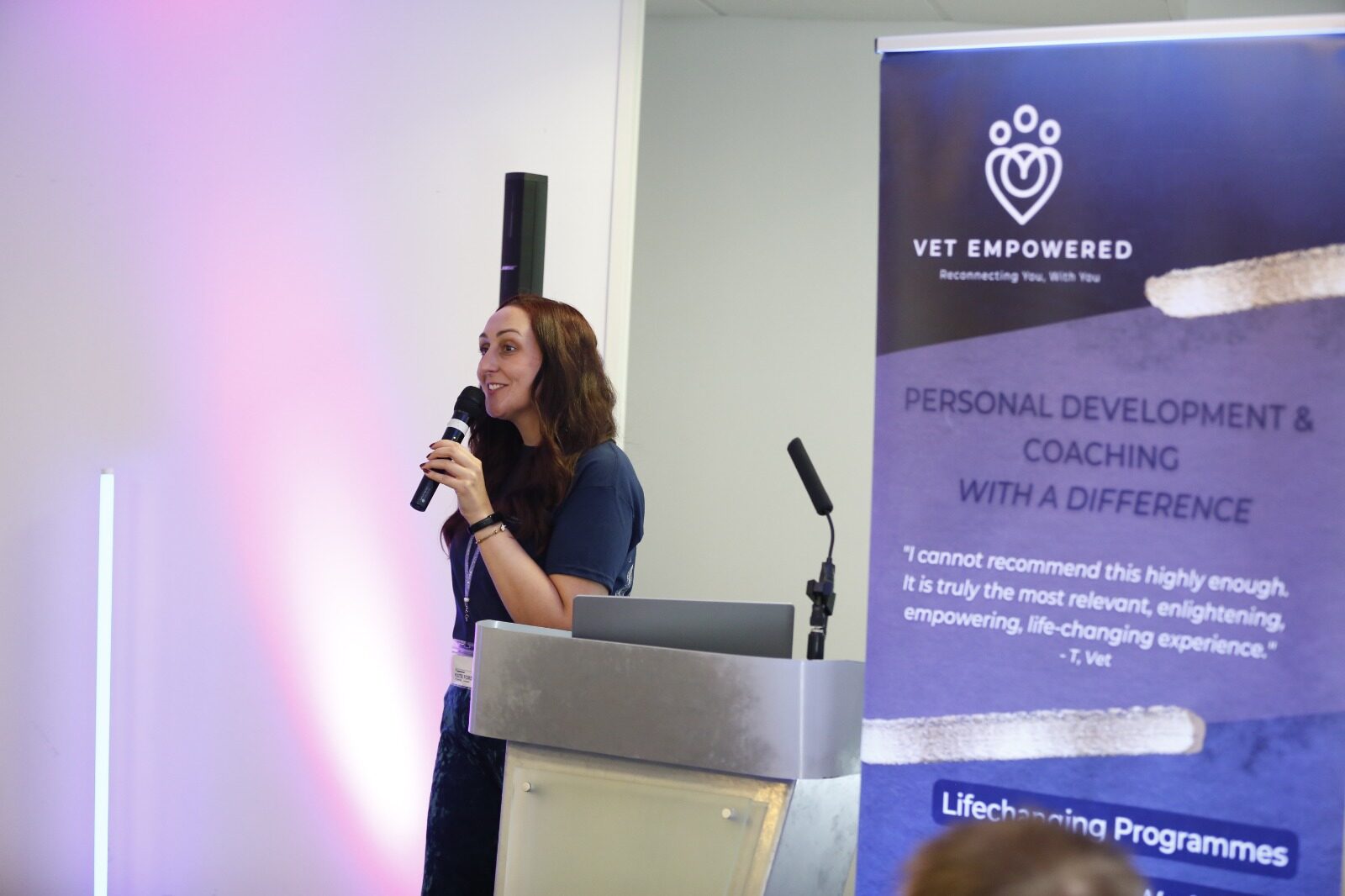
Building confidence as a vet or vet nurse
Confidence isn't a personality trait you either have or don't. It's something you build, and it often has more to do with your nervous system, your inner critic and the culture around you than with your clinical skill. Here's how we teach it at Vet Empowered: practical, evidence-based, and a lot kinder than the voice in your head.
Spoiler: you're probably far more capable than the voice in your head lets on.
Sound familiar?
- You've rehearsed a phone call to an owner three times before dialling.
- You've double-checked a dose you already knew was right.
- You kept quiet in rounds, then heard someone else say your idea.
- You're waiting to feel ready before you put your hand up.
If any of those landed, you're in very good company. They're not signs you're not good enough. They're signs you care, and that you're human.
The definition that gets in the way
Most of us were taught that confidence means feeling sure. Certain. Unshakeable. So we wait to feel confident before we act, and the feeling never quite arrives. Here's what we teach instead: confidence isn't the absence of doubt. It's trusting yourself enough to act while the doubt is still there. And it grows after the action, not before it.
"Confidence comes after you do the thing, not before."
Imposter moments, not imposter syndrome
Confidence and imposter moments are two sides of the same coin. You can be skilled, experienced and doing a brilliant job, and still have a voice telling you you've just been lucky. That's why we can't talk about confidence without talking about this.
We talk about imposter moments, not imposter syndrome. Sometimes we call it the imposter phenomenon, which is more accurate than "syndrome" anyway. It isn't a condition you have. It's an experience that comes and goes, and lots of different things feed into it: our biology, the pressures we've picked up along the way, and the environment we work in, from team culture and hierarchy to how mistakes are handled. So it's never just about you or your mindset. That said, we absolutely can work on how we speak to ourselves and treat ourselves in those moments too. We're big fans of self-compassion, and we also know it rarely comes naturally. Like any skill, it takes practice. It's often described as an internalised fear of being found out, which is why saying it out loud to someone you trust can take so much of its power away.
Katie has spoken and written about this for years, including the bigger picture of why it happens. If you'd like to go deeper, you'll find her talks and writing at katiefordvet.com.
Which of these sounds most like you?
And here's a question we love to ask: where might that pressure have first come from? So many of these pressures are ones we never chose. They were handed to us along the way, often long before we noticed them. You don't need to work out the whole story here. Simply noticing that a pressure was handed to you can be enough to start loosening its grip.
Imposter archetypes based on the work of Dr Valerie Young.
What gets in the way
Confidence rarely wobbles because of just one thing. Usually it's a mix of what's going on inside us and what's going on around us.
The imposter phenomenon
That voice that says you've fooled everyone. You're in very good company.
More on imposter momentsPerfectionist tendencies
Somewhere along the way, many of us learned that perfect is safe. But as we say at Vet Empowered, perfect doesn't exist.
A nervous system on high alert
When you're in survival mode, even things you know how to do feel harder.
A culture that doesn't feel safe
Hierarchy, blame and silence make confidence harder for everyone. That's not a you problem, and it's why we work with whole teams too.
For teams
Six quick wins
Confidence grows in your stretch zone, not your panic zone. Your stretch zone is just beyond what feels familiar: a bit wobbly, but you can still think. Your panic zone is when it all feels like too much and learning shuts down. So there's no need to throw yourself in at the deep end. It's about finding the things that help you stay in your stretch zone: the people, tools and habits that steady you when something feels new. And new things are meant to feel a little wobbly, even for the people who look completely calm on the outside. We go much deeper into this in the Signature Programme.
- 1
Keep a wins list
Each night, note one thing that went well. Tiny counts. Your brain is wired to remember what went wrong, and this evens the score.
- 2
Say it out loud
Tell someone you trust: 'I'm having an imposter moment.' Fears shrink when they're spoken.
- 3
Name your inner critic
Give it a name. It's much easier to say 'thanks, Brenda, not now' than to argue with your own voice.
- 4
Ask what you'd say to a friend
Then say it to yourself. You'd never speak to a colleague the way you speak to you.
- 5
Go 10% braver
Not a giant leap. Ask the question in rounds, share your view in the meeting, make the call a little sooner.
- 6
Regulate first
A slow breath with a longer out-breath tells your nervous system you're safe enough to think. Confidence is hard to find in survival mode.
In their words
"During Vet Empowered I learned there was nothing wrong with me in the first place."
Fay, Veterinary Surgeon
"I don't feel alone anymore. I know that even the best vets out there have moments of droughts."
Gia, Veterinary Surgeon
"It has given me the confidence and skills to return to practice in a more mentally sustainable and healthy manner."
G, Veterinary Surgeon
How coaching at Vet Empowered can help you build your confidence
You can't read your way to confidence
You can't read your way to a confident spay, either. This page is a good start, but confidence is built by doing, with the right support around you. That's exactly what the Signature Programme is for.
It makes total sense that new things feel scary
That's your nervous system doing its job, trying to keep you safe. Katie and Claire are somatic, trauma-informed coaches, and that shapes how we work. It means we help you understand what's happening in your body when the doubt kicks in, and why it makes complete sense that new things feel tricky. It doesn't mean digging into your trauma. That isn't what trauma-informed means. Instead, we help you meet those feelings with understanding rather than judgement, reflect on what helps, and take steps that line up with where you want to go.
Step 1: Notice it
In a moment of doubt, spot the real worry and the pressure underneath it. No need to dig into the past.
Step 2: Consider alternatives
Start to explore other ways of seeing it and responding, with a coach who gets vetmed.
Step 3: Put it into practice
Try it for real in your stretch zone, from speaking up in rounds to setting a boundary.
Step 4: Reflect
Have a space to look back on what happened and what you learned, with a community cheering you on.
And all the way through the programme, you'll explore what it really means to be human in vetmed and realign with what matters to you, so you know why taking that next step is important to you. Six or twelve months, not a one-off day, gives it all time to stick.
Reading gives you the ideas. Coaching and community help you live them.
Why being pickled in it matters
Confidence doesn't grow from one workshop and a handout. It grows when you keep trying new things somewhere safe, with people who remind you who you are when you forget. That's what our community is for. Our members call it being pickled in it, and it's the bit they tell us makes the biggest difference.
Start reading

Imposter moments in vetmed: what they are, and what actually helps
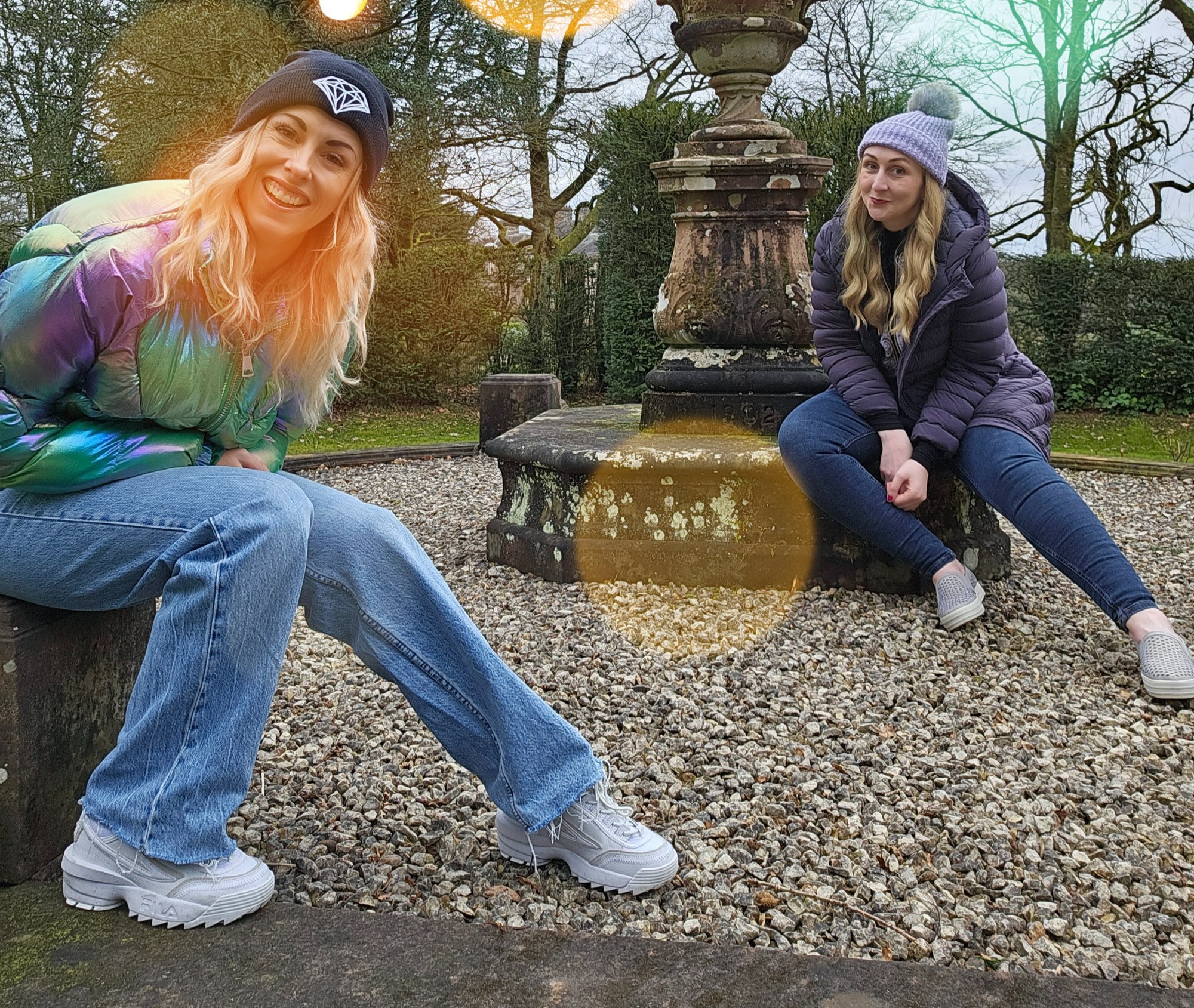
I Want You to Remember How Amazing You Are as a Veterinary Professional

Working with your brain as a veterinary professional
When Doing the 'Right' Thing Feels Uncomfortable: Your Path to Growth and Fulfilment in Veterinary Medicine
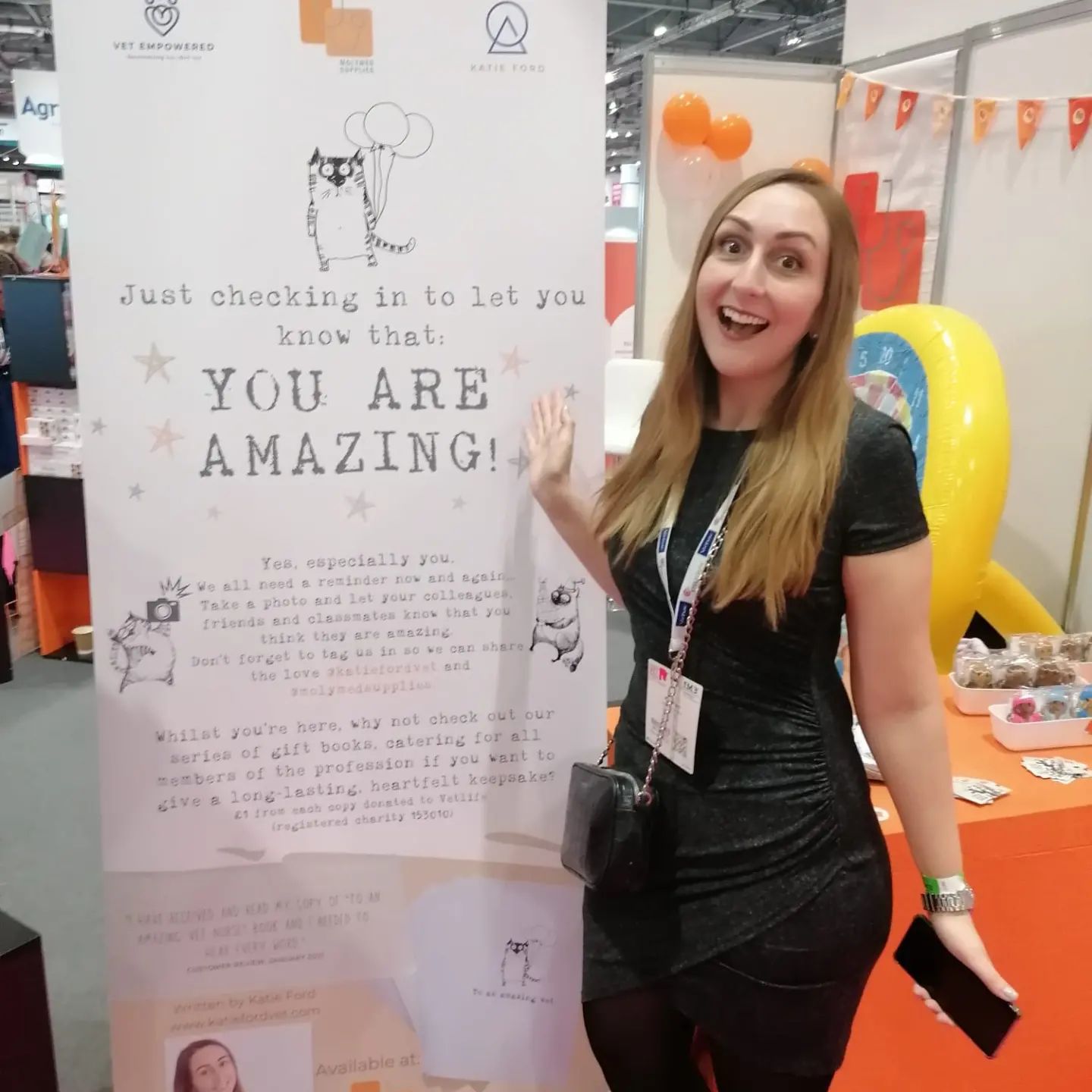
You Are Enough: Daring to embrace your inherent worth in a world that says otherwise
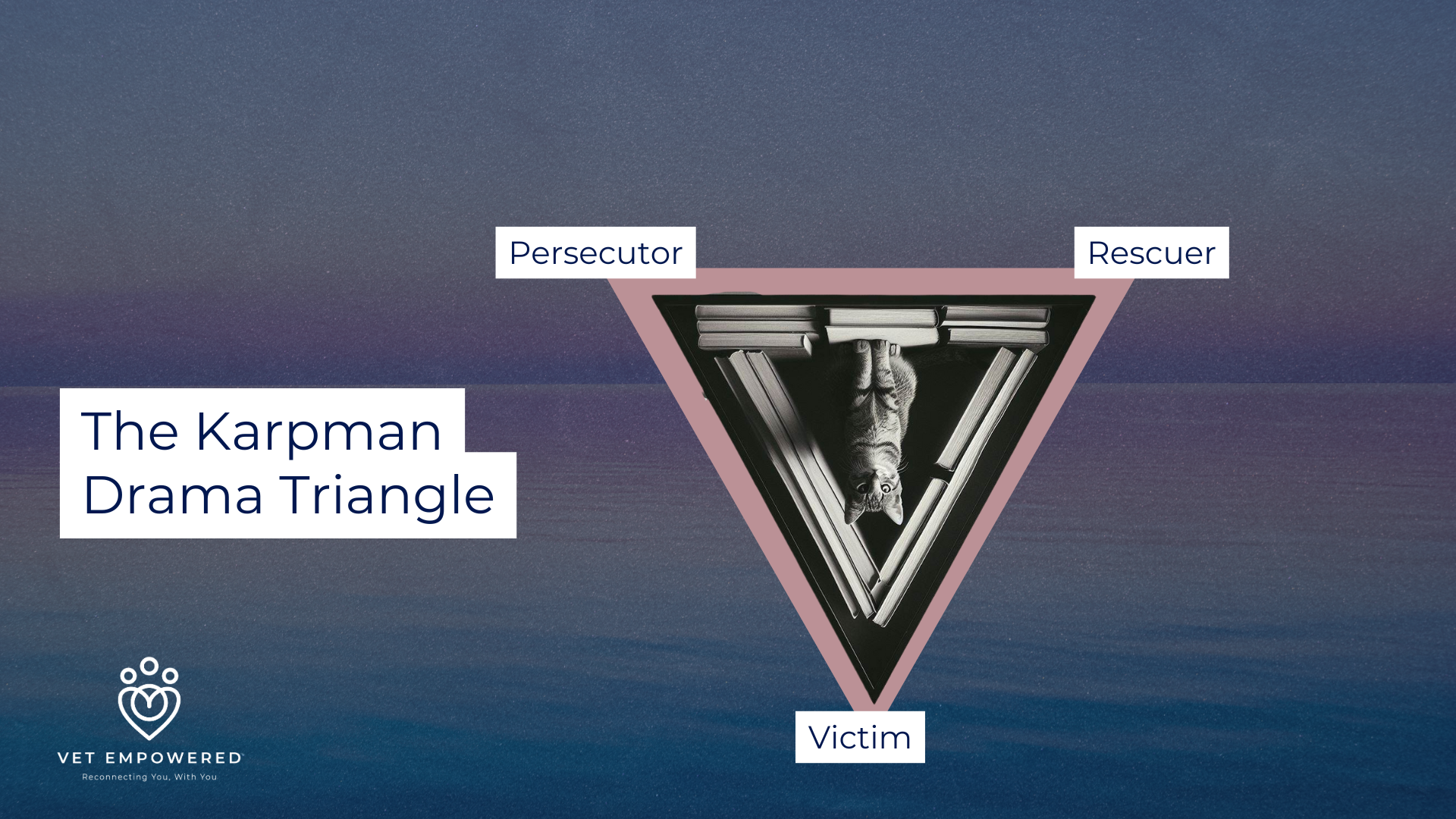
Taking Your Power Back: Nobody is Coming to Save You (And That's a Good Thing!)

Empowering Your Approach: A Deep Dive into Navigating Challenges in Veterinary Practice

From Doubt to Empowerment: Boosting Your Confidence in Veterinary Practice
Go deeper
Imposter to Authentic
4 hours CPD, from £65 + VAT
Explore the workshopConfidence is Queen
2 hours CPD, from £25 + VAT
Explore the courseThe Signature Programme
Six or twelve months of expert coaching, CPD and community.
Explore the Signature Programme
Everything on this page is topline insight, not personalised advice. You're a unique human being, and your situation deserves depth. Coaching isn't a substitute for therapy or crisis support. If things feel really hard, please talk to your GP or doctor, your employee assistance programme (EAP) if you have one, or Vetlife, there 24/7 on 0303 040 2551.